
Testing Options
Reporting & Interpretation Options
How to Collect a Plant Tissue Sample
Resources & Laboratory Methods
Testing Options
Complete Leaf Analysis – Results include: Total Nitrogen, Phosphorus, Potassium, Zinc, Calcium, Magnesium, Sulfur, Manganese, Boron, Iron, Aluminum and Sodium
Complete Petiole Analysis – Results include: Total Nitrogen, Phosphorus, Phosphate-Phosphorus, Potassium, Zinc, Calcium, Magnesium, Sulfur, Manganese, Boron, Iron, Aluminum and Sodium
Stalk Nitrate Testing – This end-of-season stalk test was developed to evaluate how well nitrogen fertilizer was utilized by the corn plant and allows the producer to distinguish between over-fertilization and fertilizing to maximize profits.
Cover Crop Biomass Analysis – Cover crops have the ability to take up nutrients, hold them and recycle them back into the soil for use by your next crop. Our Biomass Analysis provides a measurement of N and other key nutrients taken up by the cover crop and indicates how readily those nutrients will become available in the soil for the next crop. A measure of the C:N ratio is used to estimate this rate of decomposition.
If the cover crops are used for forage, gain a better understanding of the nutrients you’ll need to replenish for your next crop with this test.
Utilize AgSource’s Cover Crop Biomass Analysis prior to terminating your cover crop (springtime or before planting your next crop). For sampling instructions, click here, or contact your local AgSource laboratory location for more information.
Specialized testing available upon request
Reporting & Interpretation Options
Turnaround time for plant tissue analysis is one working day. AgSource has two reporting options to fit your specific needs.
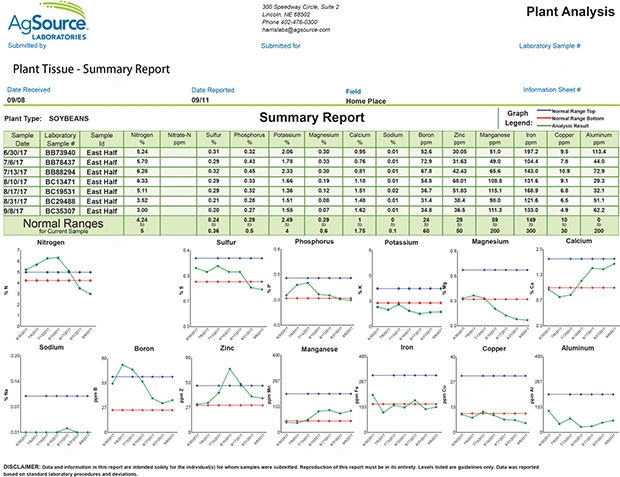
Summary Report – displays historical tissue test results over a span of time, allowing you to make side-by-side comparisons to monitor nutrient uptake throughout the season. Ideal for customers who are adjusting their fertilization throughout the growing season.
Standard Report – graphs test levels as low, optimum or high. One sample displayed per report page.
Results are available online, via email or standard mail, with data available in a variety of formats including Excel, PDF or CSV files.
How to Collect a Plant Tissue Sample
A good sample is the foundation to an accurate analysis. Because different crops require different areas of the plant to be sampled, view the pictorial sampling guides below. For best results, follow our basic sampling reminders.
AgSource Laboratories Tissue Sampling Reminders:
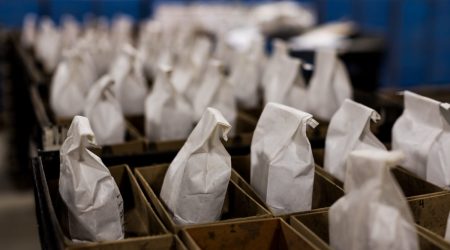
- Submit clean, undamaged leaf or plant tissue in a paper bag
- Loosely pack the sample in a paper bag to allow for air circulation
- Label every bag, matching the sample submission form with the samples
- Include your account number on the sample submission form
- When testing for suspected nutrient element deficient plants, take two samples whenever possible – one from the normal plants, the other from the abnormal
- Supplement your tissue test with a soil test – this may uncover additional clues about suspected issues
- Plant Tissue Sampling Guide
- Specialty Crop Guide – Vegetables and Fruits
- Corn Stalk Nitrate Testing
Resources & Laboratory Methods